

Agentic AI in Property Inspection Software: What It Means for Real Estate Operations
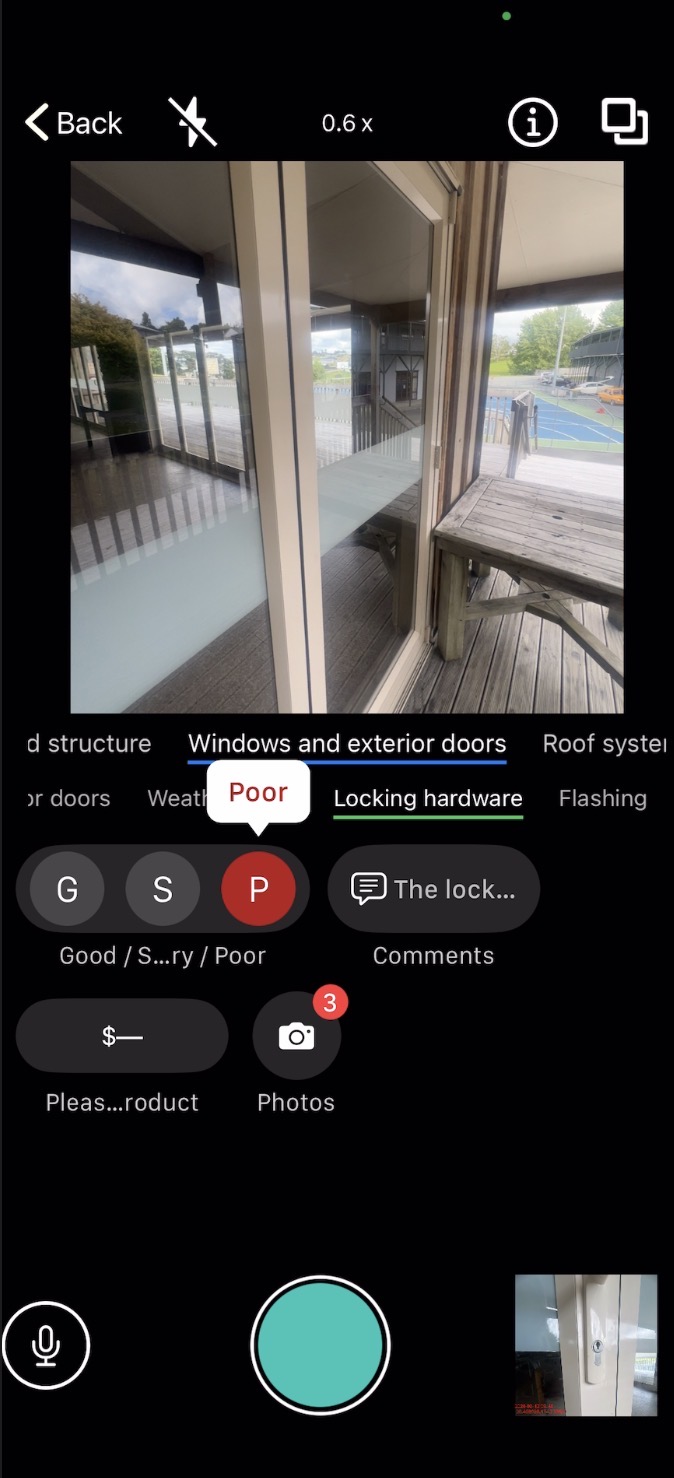
A real-time AI inspection workflow displayed on a mobile device, showing automated task creation and compliance steps triggered directly from inspection results.
How agentic AI is transforming property inspections, compliance reporting, and maintenance workflows across global real estate portfolios.
COLUMBIA, MD, UNITED STATES, February 23, 2026 /EINPresswire.com/ -- What Happens After the Property Inspection? How AI Workflows Are Closing the Gap between observations and maintenance work in real estateFor years, the property inspections were treated as the end of the chain in the property management process. In reality, it should be the beginning of one. Agentic AI is now featuring in AI property inspection software, which is starting to make that shift possible and pretty easy, too. The visible implications for property teams are significant.
Walk through any well-run multifamily community, commercial portfolio, or association-managed property, and you'll find the same operational tension: inspections happen, findings are documented, and then, somewhere between the site visit and the follow-through, things slow down - and that's if they get seen through at all. Inspection findings to maintenance are often handled within completely separate systems, and this can also cause data to be lost in transit or even just siloed in one system or property inspection app.
Work orders get created late. Vendors are contacted the next day. Re-inspections land on a calendar based on a best guess, not a structured rule.
This is not a staffing problem. It's a systems problem. And it's one that AI is increasingly being designed to solve.
The Shift from AI Features to AI Systems
There's an important distinction worth understanding here. For the past several years, AI in property management software has largely meant individual features, automated lease summaries, chatbot-assisted tenant communication, and predictive maintenance flags. These are useful in isolation, but they don't fundamentally change how an operation flows.
What's emerging now is different. The industry is moving toward what researchers and engineers call agentic AI. These are systems that don't just surface information but take action once defined conditions are met. Rather than alerting a property manager that a maintenance issue was flagged, an agentic system generates the work order, attaches the inspection photos, assigns the responsible party, and schedules the follow-up. The human defines the rules. The system executes them consistently.
This is a meaningful operational shift, and it's happening across industries where documentation, compliance, and follow-through intersect. Property inspection and maintenance coordination sit squarely in that category.
Why This Matters
In traditional inspection workflows, the gap between "issue documented" and "issue actioned" often stretches hours or days. Agentic AI is designed to close that gap entirely — turning inspection data into operational triggers rather than static records.
Understanding AI Guardrails — and Why They Matter in Property Operations
One concept that doesn't get nearly enough attention in property technology conversations is AI guardrails. As AI systems are given more autonomy to take action, as we mentioned above - generating calculated work orders, dispatching vendors, and scheduling inspections - the question of how those actions are bounded becomes critical.
Guardrails are clear rules and limits that control what AI can do automatically. In property inspections, AI can create routine work orders or schedule re-inspections, but must escalate life safety issues or compliance risks to a human. Guardrails make AI safe, reliable, and usable across regulated property portfolios.
Practical Tips — Evaluating AI Guardrails in Property Software
Managers and property professionals should ask vendors specifically what actions the AI takes autonomously versus what require human approval before execution.
Real-Estate operators should ensure compliance-critical workflows — particularly life-safety inspections and regulatory deadlines - have mandatory human review steps built in.
Another best practice is for property managers to look for audit trail functionality that logs what the AI actioned, when, and based on which inspection trigger.
Test edge cases during onboarding — what happens when an inspection is incomplete, or conditions are ambiguous? The system's behaviour in those moments reveals the quality of its guardrail design.
The Cognitive Load Problem No One Talks About
Beyond operational efficiency, there's a human dimension to this conversation that deserves more attention. Behavioral research consistently shows that high cognitive load — the mental effort required to track multiple tasks, timelines, and dependencies simultaneously- is a significant driver of error in complex operational environments.
Property management is one of those environments. A single portfolio manager might be tracking dozens of open work orders, pending vendor responses, upcoming compliance inspections, and resident requests at any given time. The mental overhead of keeping those threads alive is substantial. Furthermore, when threads drop, the consequences can range from an unhappy resident to missed regulatory deadlines.
Structured AI workflows reduce cognitive load not by removing responsibility from humans, but by removing the need to actively remember and manually advance each step. When an inspection outcome automatically triggers the next required action, the system holds the thread. The property manager's attention is freed for decisions that genuinely require judgment, not for chasing confirmation emails or manually entering work order details that the inspection already captured.
Case Study in Context — Facilities Management
A 2023 study conducted across a large US hospital network examined what happened when agentic inspection workflows were introduced into their facilities maintenance program. Before implementation, the average lag between a facilities inspection flag and a confirmed work order was 2.3 days. Post-implementation, that lag dropped to under four hours. The change? Not because staff worked faster, but because the inspection outcome directly generated the work order without manual or time-consuming entry. Staff reported lower task-related stress and fewer missed follow-ups. The operational lesson translates directly to large residential and commercial property portfolios, where the same documentation-to-action gap exists.
The structural limitation of most property inspection programs isn't the inspection itself - it's what happens to the data afterward. Findings are documented, photos are uploaded, and the report sits as a static record while follow-through depends entirely on whoever picks it up next. Platforms like SnapInspect are developing rapid property intelligence - AppFolio, Buildium, and Yardi are each moving to address this in different ways - connecting inspection outcomes to automated workflows, maintenance coordination, and compliance tracking. The gap between documentation and execution is closing, and for property teams managing complexity at scale, that shift is significant.
Mike Tatum
SnapInspect
+1 888-883-8046
marketing@snapinspect.com
Visit us on social media:
LinkedIn
Instagram
Facebook
YouTube
X
Legal Disclaimer:
EIN Presswire provides this news content "as is" without warranty of any kind. We do not accept any responsibility or liability for the accuracy, content, images, videos, licenses, completeness, legality, or reliability of the information contained in this article. If you have any complaints or copyright issues related to this article, kindly contact the author above.
